Textiles in History: What Quilting Bees Were Really For
Textiles in History: What Quilting Bees Were Really For

I'll be honest with you — when I first started really getting into textile history, I thought quilting bees were mostly a charming little footnote. Women gathered around a frame, stitching pretty blocks together, maybe passing around a pie. Sweet. Quaint. A nice afternoon activity.
I was so wrong.
The more I read — and the more I handled old quilts with their worn seams and deliberate, almost stubborn stitch patterns — the more I realized quilting bees were something else entirely. They were infrastructure. Social, economic, and sometimes even political infrastructure, stitched together one hexagon at a time.
Where the Tradition Actually Comes From
Quilting itself is ancient. Layered, stitched textiles have been found in Egyptian tombs and Mongolian caves. The basic idea — sandwich batting between two fabric layers and stitch through all of them — shows up across cultures with very little cross-pollination, which tells you something. It's a practical solution that a lot of people arrived at independently, because warmth is a universal problem.
But the communal quilting bee, specifically? That's largely a North American colonial and early American phenomenon, though similar traditions existed in parts of Europe. In the 17th and 18th centuries, fabric was genuinely scarce and expensive. You didn't throw anything away. Worn-out shirts became quilt patches. Old wool blankets became batting. Every scrap had a second life, and often a third.
Piecing the quilt top — all that careful cutting and sewing of blocks — was typically done alone or with immediate family. But the actual quilting, the stitching through all three layers, went faster with more hands. So you'd invite the neighbors. And that, practically speaking, is how bees got started.
The word "bee," by the way, likely comes from the same root as "been" in some dialects, meaning a gathering of neighbors to accomplish a task together. Husking bees, barn-raising bees, spelling bees — they all operated on the same principle. You show up for me, I'll show up for you. That kind of reciprocal community labor was survival strategy more than social nicety.
What Was Really Happening at Those Quilting Frames
Here's where it gets interesting to me. On the surface, a quilting bee looked like a sewing circle. Underneath, it was doing a lot of heavy lifting.
It was an information exchange. Before newspapers were common, before reliable postal service, before anything we'd recognize as mass communication — women gathered around a quilt frame were sharing news. Who was sick. Which family had a hard winter. Who was getting married. What the price of goods was at the next town over. I think we underestimate how vital that was.
It was a skills transfer system. Experienced quilters taught younger ones. Specific regional patterns — the Ohio Star, the Bear's Paw, the Flying Geese — spread from community to community through exactly this kind of gathering. I noticed, looking at antique quilts from the same geographic area and time period, how clearly you can trace pattern migrations. It's almost like a fiber arts family tree.
It was economic.) A finished quilt was a valuable object. It could be sold, traded, or given as part of a dowry. Getting it done faster meant more quilts finished per season. And some quilts — particularly friendship quilts and album quilts — were made collectively as gifts or fundraisers. Churches used them to raise money. Communities made them for departing neighbors or pastors. There's a whole economy in there that rarely gets talked about.
And yes, sometimes it was political. During the antebellum period in the United States, some quilts and quilting circles were connected to abolitionist networks. The famous "Underground Railroad quilt code" theory — that specific patterns were used to signal safe houses — is disputed by historians, and I want to be careful not to overstate it. But what's not disputed is that abolitionist women used quilting circles as cover for organizing meetings and fundraising for the movement. The frame was a table around which serious things happened.
The Making of It: What Actually Went Into Those Quilts
I find the material side of this just as fascinating as the social history. Early American quilts were almost entirely cotton or wool, depending on region and season. Southern quilts leaned heavily cotton; New England quilts often incorporated more wool, especially in utility quilts meant to survive a January that means business.
The batting — the middle layer — was frequently carded wool or cotton batting, but I've also read accounts of quilts stuffed with cornhusks, rags, or even old worn-out quilts. Nothing was wasted. The stitching thread was often homespun until manufactured thread became widely available post-Civil War, and the shift in thread quality is something you can actually see and feel in quilts from that transition period. The stitches get more uniform. The tension gets more even. Manufacturing changed the hand of the work.
At a quilting bee, the quilt was stretched on a large frame — sometimes sawhorses and boards, sometimes purpose-built frames that hung from the ceiling and could be raised out of the way when not in use. Women sat around all four sides and worked toward the center. The host's job was to keep the frame at the right height and tension, and to feed everyone. The food was not incidental. It was part of the contract.
The Honest Pros and Cons of Communal Making
I'll say this plainly: communal quilting solved real problems and created a few, too.
What worked: Speed, obviously. Shared labor meant a quilt that might take one person weeks could be finished in a day. Skill transfer happened naturally. The social benefit was real — isolation was a genuine hardship in rural life, and regular gathering around a shared project was genuinely good for people. There's something grounding about working with your hands alongside others. I still feel that when I'm at a fabric market talking shop with other sewists. It's the same impulse, honestly.
What was complicated: Not everyone's stitches were equal, and having a dozen different hands on a single quilt meant inconsistency. Some historical accounts describe hostesses quietly removing and redoing the stitches of less-skilled participants after the bee ended — which, honestly, I respect and also find a little painful to think about. There was also social pressure baked into the whole thing. You had to show up. You had to contribute. The reciprocal economy of labor could feel like obligation as much as community.
And for the women who did this work — it's worth saying clearly — it was work. Skilled, time-consuming, physically demanding work, done largely without recognition as labor. I think about that when I'm handling a nineteenth-century quilt. Someone spent an enormous amount of herself making this thing.
How It Lives Today
Modern quilting guilds are, in a real sense, the direct descendants of the bee. The structure is remarkably similar — people gather, share skills, work on projects together, and pass knowledge around. The urgency is different. Nobody needs a finished quilt before the first frost anymore, at least not in the same survival sense. But the impulse is the same.
If you're caring for a vintage or antique quilt today, the main things I've learned are: keep it out of direct light (it degrades fiber faster than almost anything else), store it rolled or loosely folded with acid-free tissue, and wash it as rarely as possible and only very gently when you must. Old cotton and wool were not made to withstand modern washing machines. Hand washing in cool water with a gentle detergent, or professional textile conservation for anything truly fragile, is worth it.
For modern quilting cotton — the stuff most of us are working with now — pre-washing is still a conversation, but the stakes are lower. I tend to pre-wash because I like knowing how my fabric is going to behave before I cut into it. That's a personal preference, not a rule.
What It Means for Makers and Shop Owners
I keep thinking about what the quilting bee really was at its core: a system for making hard things possible through shared effort and shared knowledge. That's not a bad framework for thinking about what a fabric shop or a maker community can still be.
When I stock a fabric or carry a particular type of batting or thread at ArtInScienceDesigns, I'm thinking about the people who are going to sit down and do the actual work with it. The history matters to me because it reminds me that textiles aren't decorative footnotes — they're how people clothed themselves, kept warm, marked milestones, raised money, and sometimes organized quietly for things that mattered. August is a good time to think about that, actually. The light is long and golden and there's still time before the making season really kicks into high gear. Good time to slow down and consider what you're working with and why.
The quilt frame is just a table. What happens around it is everything.
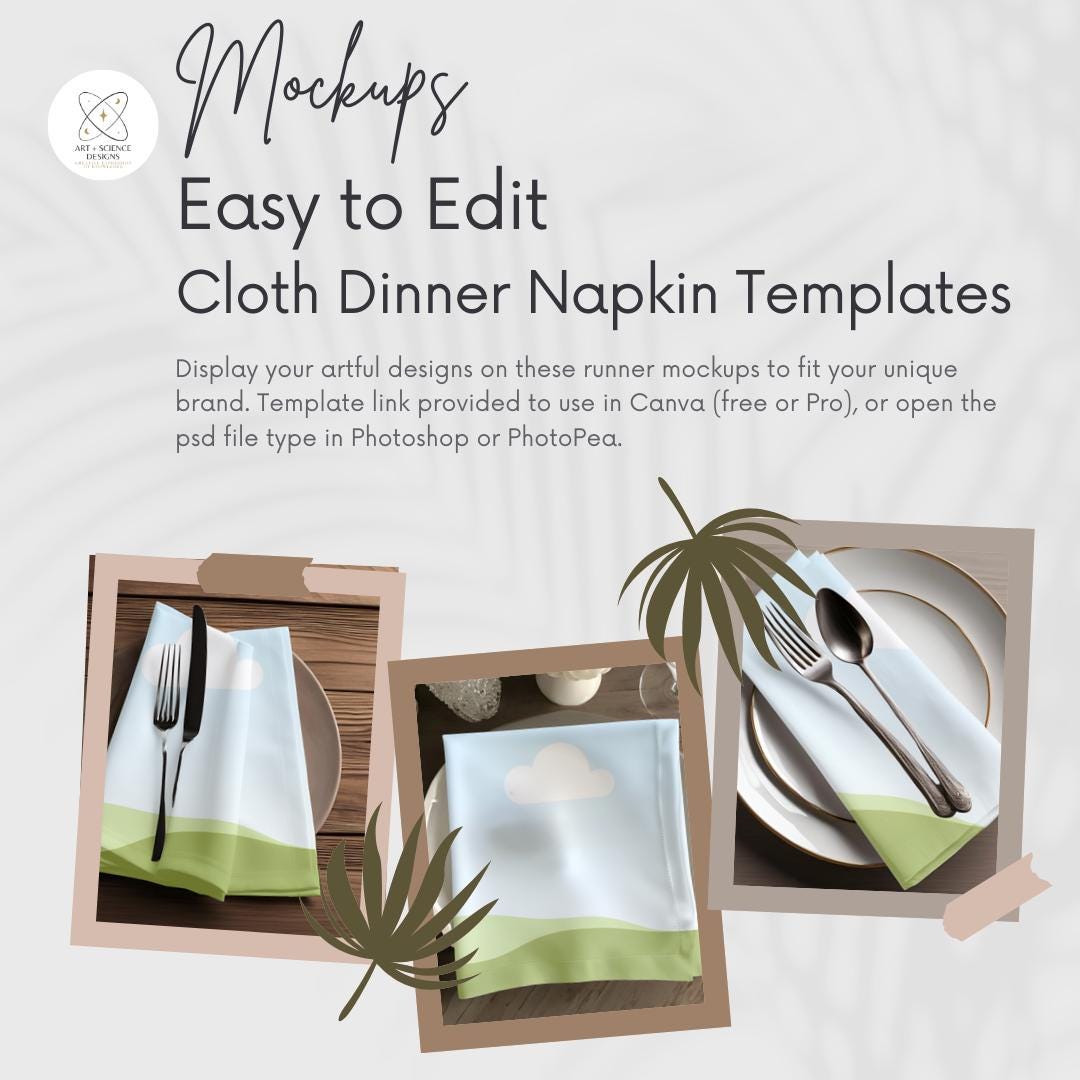
Working on your own project? Check out my instant download mockups, SVGs, and STL files from my shop on Etsy - ArtInScienceDesigns.Etsy.com.
Explore all my digital files on Creative Fabrica, or Download from.
#textiles #fabrichistory #sewing #craftsupplies #etsy #instantdownload #svgfiles #artinsciencedesigns
Comments
Post a Comment