Screening Guests and Tenants: Tips for Avoiding Problems
Screening Guests and Tenants: Tips for Avoiding Problems

1. Clear Communication from the Start
Begin with detailed questions in your initial inquiries. For short-term guests, ask about the purpose of their stay and who will be joining them. For longer-term prospects, inquire about their current living situation and move-in timeline. This sets expectations and helps you identify potential red flags early.2. The Power of a Comprehensive Application
For longer-term tenants, a detailed application is non-negotiable. This should cover employment history, previous residences, and necessary consents for background checks. The more information you gather upfront, the better informed you'll be.3. Don't Skip Background Checks
This is where the real digging happens. Credit checks can reveal financial responsibility, while criminal and eviction history checks are crucial for safety and property protection. Always ensure you're compliant with fair housing laws and local regulations when conducting these.4. Call Those References
For longer stays, speak directly with previous landlords or employers. Ask open-ended questions about payment history, property care, and neighbor relations. Trust your instincts during these conversations – a vague reference can sometimes be more telling than a negative one.5. The Interview (Even for Short-Term)
For short-term rentals, direct communication through the booking platform is your interview. Ask follow-up questions, pay attention to their responses, and see if they align with your property's rules and your ideal guest profile. For long-term, a face-to-face (or video) interview can give you a better feel for their personality and reliability. Once you've done your due diligence and feel confident you've found a great candidate, establishing clear terms is paramount. This is where a robust, well-crafted rental agreement comes into play. It's the blueprint that defines expectations, responsibilities, and protections for both parties. To help streamline this crucial step, I’ve developed something I use myself: my **Rental Agreement Template for Hosts**. It's designed to be comprehensive, ensuring you cover all your bases and set clear boundaries right from the start. You can find it and get started on securing your next fantastic guest or tenant here: ArtInScienceDesigns Rental Agreement Template. Thorough screening might seem like an extra step, especially as we rush to fill those spring and summer calendars, but it's an investment that pays dividends in peace of mind and property protection. Happy hosting this March and beyond!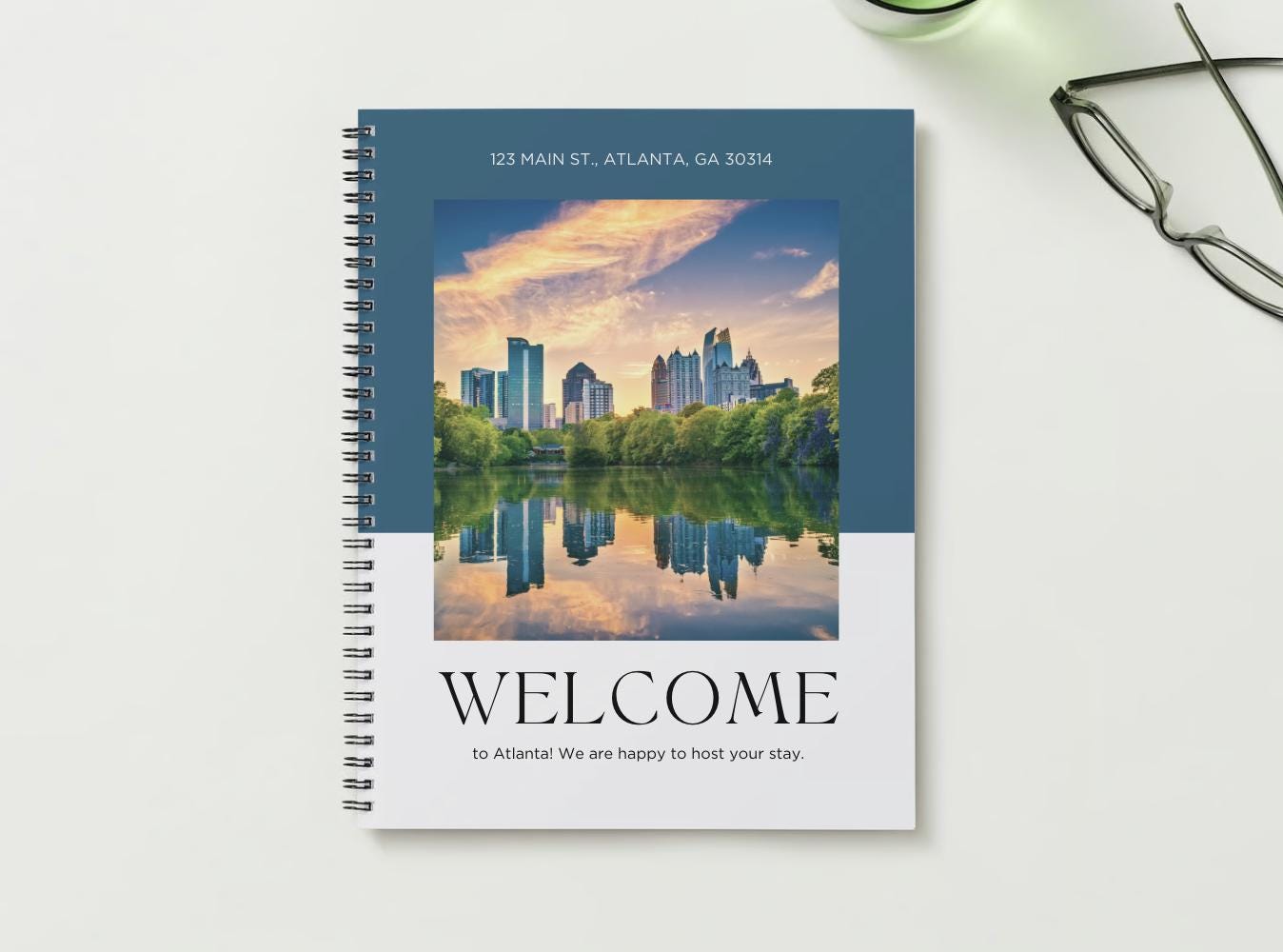
Simple Tools To Help You Win Business
Visit my shop for more host tools at ArtInScienceDesigns.Etsy.com or get your first item FREE from my LinkTree website.
#experiencematters #knowledgesharing #investor #propertymanagement #landlord #7propertiesga #airbnbhost #etsy #shorttermrentals
Comments
Post a Comment